In a world that celebrates excitement, intensity, and constant stimulation, peace is often misunderstood.
We are taught that feeling alive means feeling something—joy, passion, motivation, enthusiasm. When life becomes quiet, neutral, or still, we assume something is wrong.
But real peace does not look like excitement.
In fact, the two are very different experiences.
Understanding this difference can change how we relate to our mental health, emotions, and inner life.
Why We Confuse Peace With Excitement
Modern culture associates happiness with high energy:
-
Feeling motivated
-
Feeling inspired
-
Feeling emotionally uplifted
Social media, self-help content, and even wellness spaces often promote the idea that a good life should feel exciting most of the time.
So when calm arrives—without fireworks or emotional highs—we overlook it. Or worse, we mistake it for boredom, emptiness, or lack of purpose.
This misunderstanding keeps many people restless, even when nothing is actually wrong.
What Excitement Really Is
Excitement is a stimulated emotional state.
It depends on:
-
External events
-
Anticipation of the future
-
Novelty and change
Excitement rises quickly—and falls just as quickly. When it fades, the mind often searches for the next source of stimulation.
This cycle is not bad or wrong. It’s simply unstable.
And because excitement is temporary by nature, it cannot provide lasting emotional stability or inner peace.
What Peace Actually Feels Like
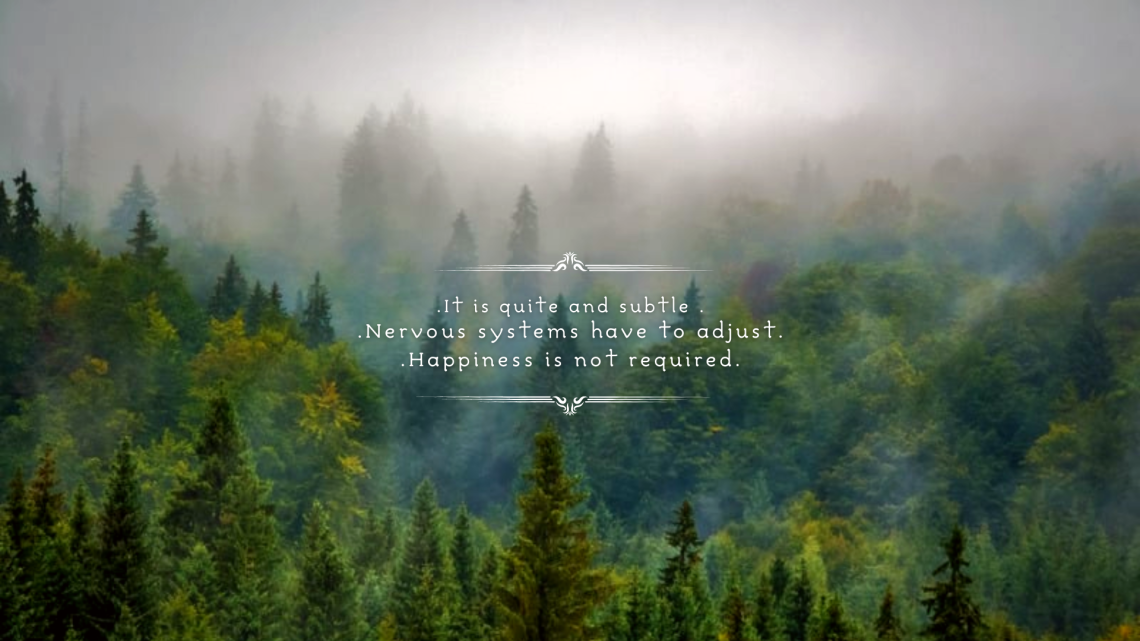
Peace is quiet. Subtle. Unimpressive.
It doesn’t rush.
It doesn’t demand attention.
It doesn’t need constant reinforcement.
Peace feels like:
-
Not needing this moment to be different
-
Being okay without excitement
-
A soft sense of inner space
-
The absence of inner conflict
Because peace doesn’t shout, it’s easy to miss.
Many people experience peace briefly—then unconsciously abandon it because it feels unfamiliar or “too quiet.”
Why Peace Can Feel Uncomfortable at First
For minds used to noise, peace can feel unsettling.
When stimulation drops away, unresolved emotions and thoughts may surface. Without distraction, we are left alone with ourselves.
This is often mistaken for:
-
Emptiness
-
Depression
-
Loss of motivation
But in many cases, it is simply the nervous system learning to rest.
Peace is not emotional numbness.
It is the absence of unnecessary resistance.
Peace and Mental Health
From a mental health perspective, peace is deeply regulating.
It supports:
-
Emotional balance
-
Nervous system recovery
-
Reduced anxiety and overthinking
-
Greater self-awareness
Unlike excitement, peace does not depend on circumstances being perfect. It can exist even in difficult seasons of life.
This is why mindfulness and awareness practices emphasize presence rather than positivity.
Peace comes from allowing, not achieving.
Letting Go of the Need to Feel “Up”
One of the most healing shifts is realizing that:
You do not need to feel excited to be okay.
Life does not need to feel intense to be meaningful.
Your emotions do not need to be high for your life to be valid.
When we stop chasing emotional highs, the nervous system naturally settles. From this settled state, clarity, creativity, and even joy arise more organically.
Not forced. Not chased.
Peace as a Foundation, Not a Peak
Peace is not a peak experience.
It is a foundation.
From peace:
-
Excitement can come and go
-
Sadness can be held without overwhelm
-
Joy can be experienced without fear of losing it
When peace is present, emotions are allowed to move freely—without defining us.
A Gentle Reflection
Ask yourself:
-
Do I mistake calm for lack?
-
Am I uncomfortable when nothing exciting is happening?
-
What happens when I stop trying to feel better and simply stay present?
You don’t need to change anything immediately.
Just notice.
Sometimes, what we’ve been searching for doesn’t feel like excitement at all.
It feels like peace.